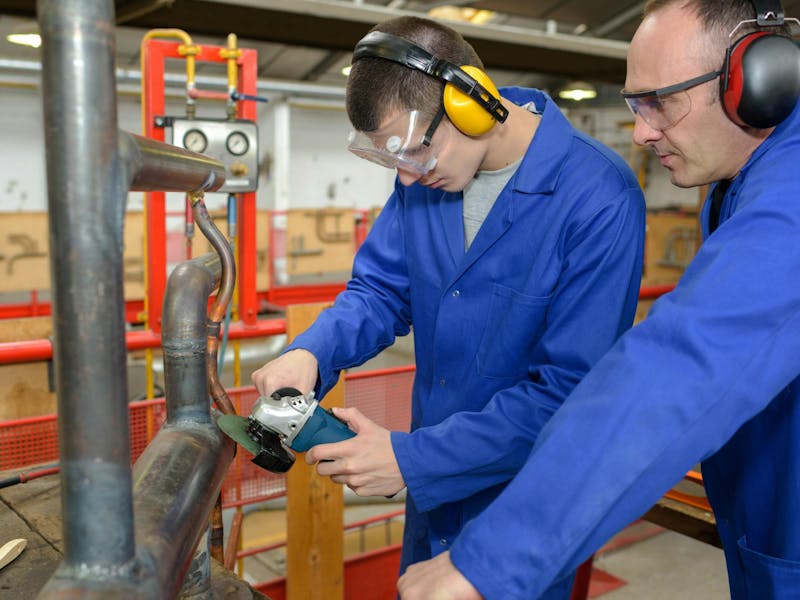
Why is hearing protection important?
Hearing protection is important because regular exposure to loud noise in the workplace can lead to permanent hearing damage. It can cause hearing loss and tinnitus, which can be managed but not repaired. The necessary precautions to help prevent permanent hearing damage should be taken.
How can you protect your hearing at work?
To protect your hearing at work, you should reduce noise at its source, limit exposure time, and wear appropriate hearing protection. Maintaining the equipment you’re using and following workplace safety procedures are also essential hearing protection measures. These methods mean you’re spending less time exposed to loud noise and wearing the necessary PPE when working in noisy environments, helping you to prevent hearing damage.
What are the risks of noise in the workplace?
Risks of noise in the workplace include loud machinery, power tools, and industrial equipment, which are common sources of noise exposure for tradespeople. Signs of potential hearing damage include struggling to hear someone standing one metre away, ear pain or headaches after hearing noise, muffled or dull-sounding speech, and ringing in the ears without an external source. It’s important to not rely on pain or discomfort to judge whether noise levels are safe, as exposure to harmful noise can cause damage without noticing immediate symptoms.
What is a workplace noise assessment?
A workplace noise assessment is an evaluation of noise levels in the workplace, and an assessment of what control measures are needed to protect hearing. The Health and Safety Executive states that risk assessments must identify where there may be a risk from noise, contain a reliable estimate of employee’s exposure, and determine what’s needed to comply with the law. The findings must be recorded, with an action plan setting out what has been done and what steps are going to be taken.
What types of hearing protection are available?
The main types of hearing protection include ear defenders and ear plugs. The right option will depend on noise levels, the task being completed, and comfort and compatibility with other PPE.
Ear defenders
Ear defenders are designed to sit over heads, covering ears with cushioned ear cups. They’re available in over-ear designs, with adjustable headbands and compatibility with other safety equipment. Ear defenders reduce exposure to noise and support compliance with workplace health and safety regulations.
Ear plugs
Ear plugs fit inside ears, offering a compact design that reduces sound reaching the eardrum. This type of hearing protection is suitable for different working environments, helping to support compliance with health and safety requirements and protect workers from harmful noise. It’s important to ensure ear plugs fit correctly for effective protection and comfort.
How do you choose the right hearing protection?
To choose the right ear protection, it’s important to consider how long it will need to be worn, the level of noise reduction required, and the need to hear warnings or communicate. Ear defenders are a more practical choice for environments where workers need to remove and replace their hearing protection regularly. In dirty workplaces, putting on ear defenders is easier and more hygienic than inserting ear plugs. Ear plugs are better suited to confined environments where bulky ear defenders are impractical. In humid environments and when wearing other PPE, they can be the more comfortable choice.
How can you prevent hearing damage in the workplace?
To prevent hearing damage in the workplace, the Health and Safety Executive recommends:
- Co-operating with your employer by following any working methods that are put in place and attending hearing checks.
- Properly using any noise control devices.
- Wearing hearing protection at all times during noisy work.
- Looking after your hearing protection.
- Reporting any problems with your hearing protection.
What are employers' responsibilities for hearing protection?
It is the employer’s responsibility to prevent or reduce risks to health and safety from exposure to noise at work. The Control of Noise at Work Regulations 2005 requires employers to:
- Assess the risks to employees from noise at work.
- Take action to reduce the noise exposure.
- Provide employees with hearing protection if noise risks cannot be controlled by using other methods.
- Make sure the legal limits on noise exposure are not exceeded.
- Provide employees with information, instruction and training.
- Carry out health surveillance where there is a risk to health.
The Health and Safety Executive also states that employers must provide hearing protectors if employees request it when their noise exposure is between the lower and upper exposure action values. Hearing protection zones, where the use of hearing protection is compulsory, should be identified and training and information on how to use and care for the protectors should be given.
Protect your hearing at work
Understanding the importance of hearing protection in the workplace is essential to recognise risks and take steps to prevent permanent hearing damage. At IronmongeryDirect, we’re backed by years of experience providing tradespeople with essential PPE, including ear defenders and ear plugs, helping to improve workplace safety.
FAQs
What is the best type of hearing protection?
The best type of hearing protection depends on your environment, personal preference, and the level of noise exposure. Ear defenders are a practical choice for construction environments, with their over-ear design making them easy to put on and remove. Ear plugs are comfortable due to their compact design, making them ideal for hot or humid environments and confined spaces.
What is the most comfortable hearing protection?
Ear plugs are popular due to their comfortable design, with a compact, lightweight fit that makes them less bulky than ear defenders.
How can I prevent hearing damage?
To prevent hearing damage, you should wear suitable hearing protection, ensure it's maintained, and follow safety procedures. Doing so helps to limit noise exposure and keep ears safe from permanent damage.
Is PPE a legal requirement?
Yes, PPE is a legal requirement if a risk assessment shows it is needed. Employers must provide PPE, such as safety helmets, high-visibility clothing, and hearing protection, and protect workers from heath and safety risks.